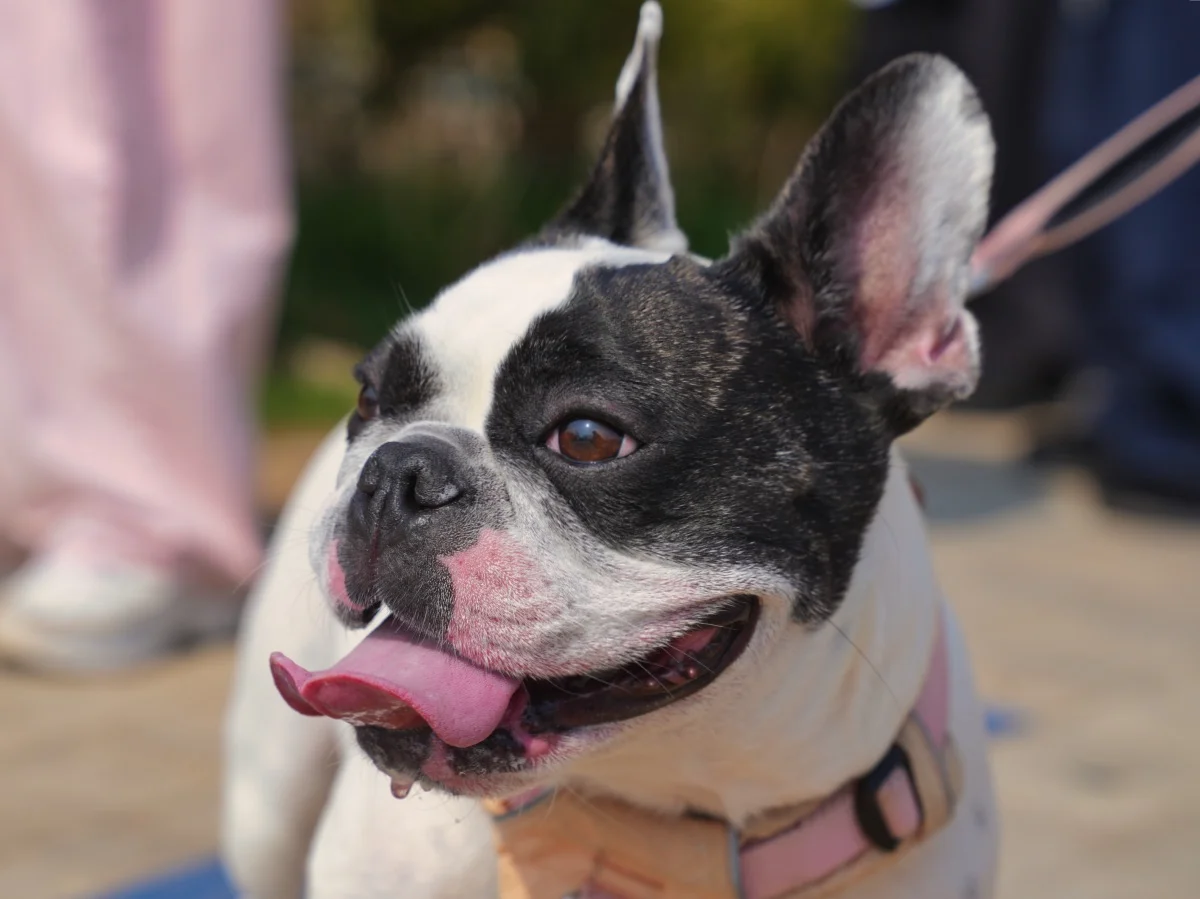
Pug
Last reviewed: November 12, 2026
- Weight
- 6.3–8.1 kg
- Origin
- China
- AKC group
- Toy Group
- FCI group
- Companion and Toy Dogs
Overview
The Pug is a compact companion dog. The Fédération Cynologique Internationale (FCI) standard describes it as "multum in parvo", a lot of dog in a small space.
According to the FCI, the breed seems to have come from the Orient, and its home country is listed as China, where snub-nosed dogs have always been favored. It reached Europe with traders of the Dutch East India Company and was admired in the Netherlands as early as the 1500s, then arrived in England when William III came to the throne. Until 1877 only fawn Pugs were seen in England; that year a black pair was introduced from the Orient.
Life span: In a study of more than 580,000 UK dogs, the Pug's median life span was 11.6 years.
Size: The FCI standard calls for an ideal weight of 6.3–8.1 kg (14–18 lb).
Coat & Color
Coat: Fine, smooth, soft, short, and glossy.
Color: Silver, apricot, fawn, or black. The muzzle or mask, ears, cheek moles, forehead mark, and trace (a black line from the back of the head to the tail) should be as black as possible.
Temperament
The FCI describes the Pug as having great charm, dignity, and intelligence, with an even-tempered, happy, and lively disposition.
Aggressive or overly shy dogs are disqualified.
Care
- Weight: The FCI standard says substance must not be confused with obesity, which is unacceptable. Check body condition with Is My Dog Overweight?
- Heat: Flat-faced breeds have a higher risk of heatstroke. See Heatstroke in Dogs.
- Facial wrinkles: The FCI standard says the over-nose wrinkle must never adversely affect or obscure the eyes or nose.
Common health issues
The FCI standard requires fairly large, well-opened nostrils and states that pinched nostrils and a heavy over-nose wrinkle are unacceptable. The eyes should never protrude and should be free from obvious eye problems.
The recommended tests from the national breed club, as listed by the American Kennel Club (AKC):
| Recommended test | What it checks |
|---|---|
| Hip evaluation | Hip dysplasia |
| Eye exam | Inherited eye disease, by a veterinary ophthalmologist |
| Patella evaluation | Whether the kneecap slips out of place |
| PDE DNA test | Pug dog encephalitis |
Ask for the parents' results when choosing a puppy.
FAQ
How long do Pugs live?
In a study of more than 580,000 UK dogs, the Pug's median life span was 11.6 years. The results reflect UK dogs.
What is a healthy weight for a Pug?
The FCI standard's ideal weight is 6.3–8.1 kg (14–18 lb). It states that Pugs should be hard of muscle and that obesity is unacceptable.